Electronics: Need Book Recommendations/Info

Status
Not open for further replies.

hollyrockets

Member (SA)
Hello, Friends:

Ever since I came home with the GIGANTOR box of traffic lights from the local State surplus about two years ago, I've been interested in putting together electronics circuits. This only intensified after I saw a discolite, of course, then found out about these lovely color organs, which I am VERY interested in integrating said traffic lights into.

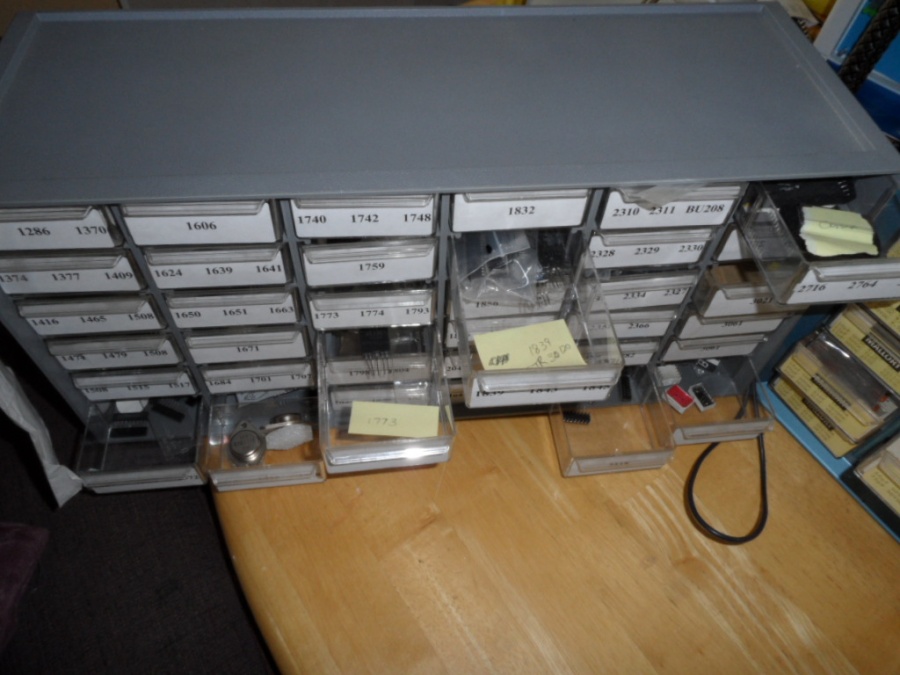
Fast forward to now: I found the MOTHERLODE of electrical components at my favorite store (yes, the state surplus,) for $15 and have spent a good part of this weekend trying to figure out first what they are (I got that.) and now I need to know how specifically to use them. I've managed to get through some very entertaining basics about what electrical components do and also have the benefit of knowing how to navigate through a signal flow diagram from my intro to audio engineering days.

What I want to know is:
How to use the information I look up on the data sheets on these components so I:
1. don't burn the house down
2. use the right types of components in the signal flow (circuit whatever you call 'em.)

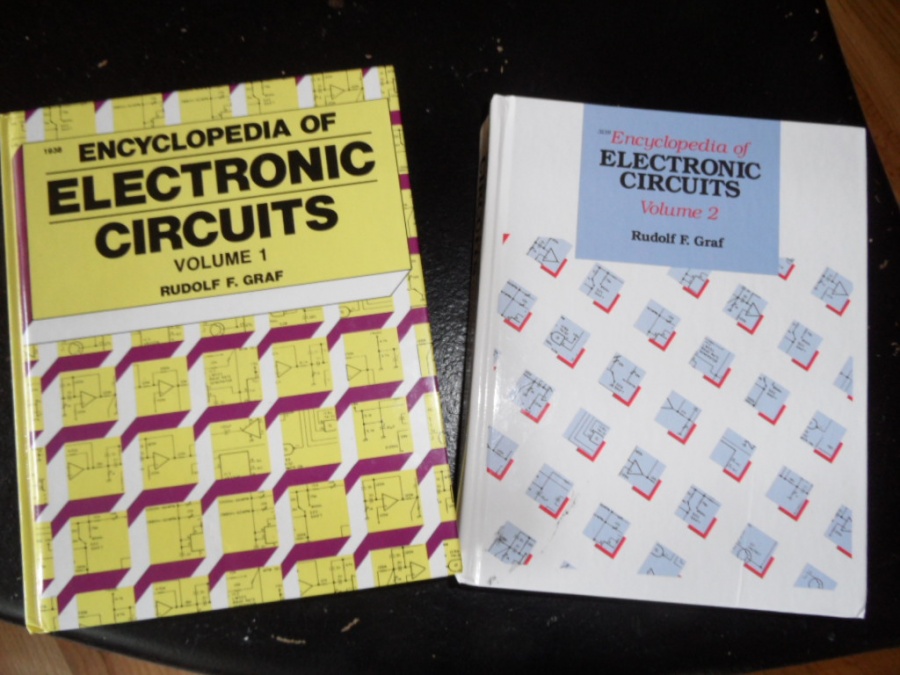
Do you have any recommendations on easy to read books or websites, etc?


Thanks!
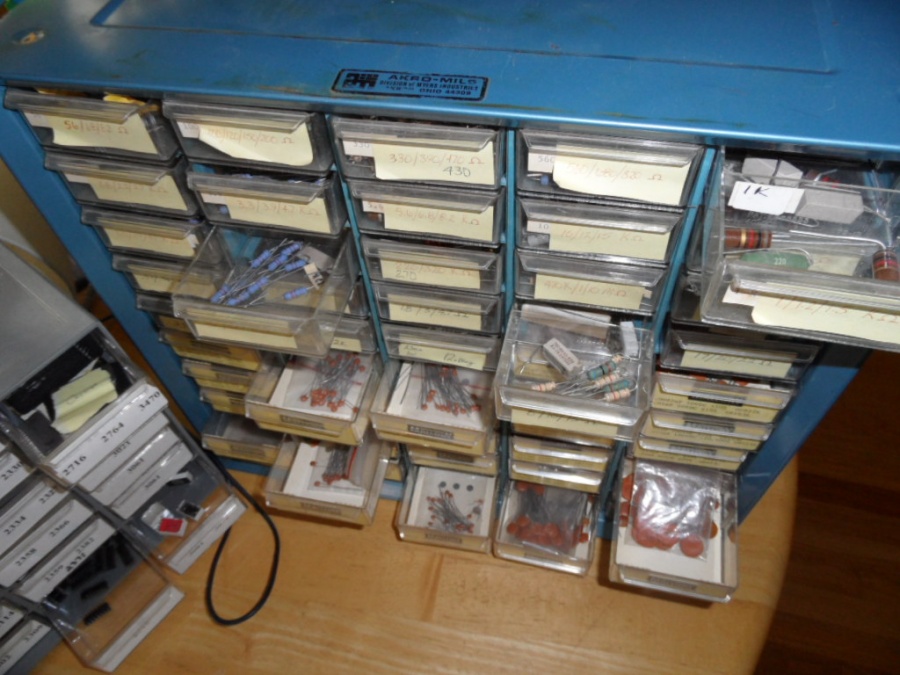


sam_4374.jpg


sam_4375.jpg


sam_4377.jpg
 

oldskool69

Moderator
Staff member
Norm and I will drive up and show you everything you need to know...such as giving us all the parts for imparting knowledge. Seems fair right? :lol: :superduper:
 

hollyrockets

Member (SA)
oldskool69 said:
Norm and I will drive up and show you everything you need to know...such as giving us all the parts for imparting knowledge. Seems fair right? :lol: :superduper:

ALL? Well, it might still be worth it. Having parts without knowledge doesn't do a whole lot. I've been on http://www.makezine.com in Collin's lab figuring out some basics. It would be easier if some of these were in a kit. I think I could probably put some of these together in a series and see the LED light up. I might blow one though if I don't compute the right amount of power to reduce, etc.

So... apparently these parts are pretty decent... HE HE! It's hard to find out what a lot of these are worth, because a lot of sites want you to talk with a sales person to get quotes.

I didn't know what was in these things, but figured at least the cases were worth $15. CAN YOU BELIEVE THAT?
 

Superduper

Moderator
Staff member
Dibs on the cases. :-D

BTW, the best way for you to learn electronics is via your local community college and take some basic electronics courses. Without the fundamentals, you'll soon get frustrated and have no clue what you are doing. Being able to piece a simple circuit together given a functioning schematic (any intelligent person can do it) is one thing. Understanding why that circuit works is another. Self learning is not an easy thing. I see you have some huge power resistors and some capacitors. However, because electronic components have such a huge array of values...... being in possession of a handful of components will not be particularly useful or valuable except maybe to augment a stockpile for emergency uses only. Piecing a circuit together is going to require you to order components no matter what.

But if you want to do some learning -- this website is one of the greatest online resources available. You can think of it as an online electronics textbook.

http://www.allaboutcircuits.com/

Kudos for wanting to further your knowledge. just keep in mind that it's not a the easiest discipline to master and requires intelligence, good grasp of mathmatics, good reasoning abilities (think physics), decent mechanical aptitude, and a willingness to really apply yourself. Without the basics, you will have no foundation to build on and this and can never master the discipline without the basics.
 

hollyrockets

Member (SA)
Superduper said:
Dibs on the cases. :-D

BTW, the best way for you to learn electronics is via your local community college and take some basic electronics courses. Without the fundamentals, you'll soon get frustrated and have no clue what you are doing. Being able to piece a simple circuit together given a functioning schematic (any intelligent person can do it) is one thing. Understanding why that circuit works is another. Self learning is not an easy thing. I see you have some huge power resistors and some capacitors. However, because electronic components have such a huge array of values...... being in possession of a handful of components will not be of particular except maybe to augment a stockpile for emergency uses only. Piecing a circuit together is going to require you to order components no matter what.

But if you want to do some learning -- this website is one of the greatest online resources available. You can think of it as an online electronics textbook.

http://www.allaboutcircuits.com/

Kudos for wanting to further your knowledge. just keep in mind that it's not a the easiest discipline to master and requires intelligence, good grasp of mathmatics, good reasoning abilities (think physics), decent mechanical aptitude, and a willingness to really apply yourself. Without the basics, you will have no foundation to build on and this and can never master the discipline without the basics.

:superduper:

THANK YOU SO MUCH!

I really appreciate your advice. I'll look and see what's out there. :-)
 

Superduper

Moderator
Staff member
When I first started tinkering with electronics 35 years ago, I got one of those 101-in-one Radio Shack electronics labs. It was a gift to me. It had spring clips, a meter, some LED's some switches, etc. and a little booklet showing 101 projects you can build.The spring clips hold the tinned wires to wire up the circuits. It is what got me started. As a young teenager in possession of a brain hungry for knowledge, I passed my time doing geeky stuff.

Today, I have a couple of knight mini-labs which have built in power supplies, a breadboard for prototyping circuits prior to building them onto a PCB. It looksl ike this:

http://www.knightonline.com/ml-200.htm

Get one if you really want to begin building electronic circuits.
 

oldskool69

Moderator
Staff member
Norm will know what I'm talking about here... :-D

I built my first solid state amplifier when I was 9. It was from Heathkit. These are no longer available but it really gave me a start as my father was a technician and wanted to pass his knowledge to me. :yes:

As Norm already said, getting immersed in the basics is where you should start. This will go a long way into understanding the what it is along with the why, which results in the how. :-)
 

baddboybill

Boomus Fidelis
Superduper said:
When I first started tinkering with electronics 35 years ago, I got one of those 101-in-one Radio Shack electronics labs. It was a gift to me. It had spring clips, a meter, some LED's some switches, etc. and a little booklet showing 101 projects you can build.The spring clips hold the tinned wires to wire up the circuits. It is what got me started. As a young teenager in possession of a brain hungry for knowledge, I passed my time doing geeky stuff.

WOW Norm, I got the 200 or so project kit for Christmas around the same time. It was from radio shack too :thumbsup: Thanks for the memory :-D :-D
 

Superduper

Moderator
Staff member
oldskool69 said:
Norm will know what I'm talking about here... :-D

I built my first solid state amplifier when I was 9. It was from Heathkit. These are no longer available but it really gave me a start as my father was a technician and wanted to pass his knowledge to me. :yes:

As Norm already said, getting immersed in the basics is where you should start. This will go a long way into understanding the what it is along with the why, which results in the how. :-)

Freddie -- the signal tracer I use is actually an old Heathkit model that started out in kit form. Served faithfully and accurately all these years and still today, works exactly like back in the day including the cat's eye tube. AND it's STILL my one and only signal tracer.
 

hollyrockets

Member (SA)
oldskool69 said:
Norm will know what I'm talking about here... :-D

I built my first solid state amplifier when I was 9. It was from Heathkit. These are no longer available but it really gave me a start as my father was a technician and wanted to pass his knowledge to me. :yes:

As Norm already said, getting immersed in the basics is where you should start. This will go a long way into understanding the what it is along with the why, which results in the how. :-)


I know you are right! Thanks for the advice, too, oldskool69. I need all I can get. :-)
 

walkgirl

Member (SA)
:nonono: that is too complicatet!!

I do know alot about sanding and painting it afterwards :-D

as I did sand a door and painted it white a few years ago :huh: :agree:
 

monchito

Boomus Fidelis
Superduper said:
oldskool69 said:
Norm will know what I'm talking about here... :-D

I built my first solid state amplifier when I was 9. It was from Heathkit. These are no longer available but it really gave me a start as my father was a technician and wanted to pass his knowledge to me. :yes:

As Norm already said, getting immersed in the basics is where you should start. This will go a long way into understanding the what it is along with the why, which results in the how. :-)

Freddie -- the signal tracer I use is actually an old Heathkit model that started out in kit form. Served faithfully and accurately all these years and still today, works exactly like back in the day including the cat's eye tube. AND it's STILL my one and only signal tracer.
man i have one those but got shocked a few times :thumbsdown: :drool: :lol: so i threw it too the side ..i found a small micronta one which works very well :yes: :yes: :yes:
 
Status
Not open for further replies.